
Before the Work Begins: What It Takes to Enter a Country
By: Benedict Mensah
All Nations International Development Agency
They would not meet with him. Not because the need was unclear. Not because the equipment was unwanted. But because, in South Sudan, process matters. And until that process is complete, even the most well-intentioned work must wait.
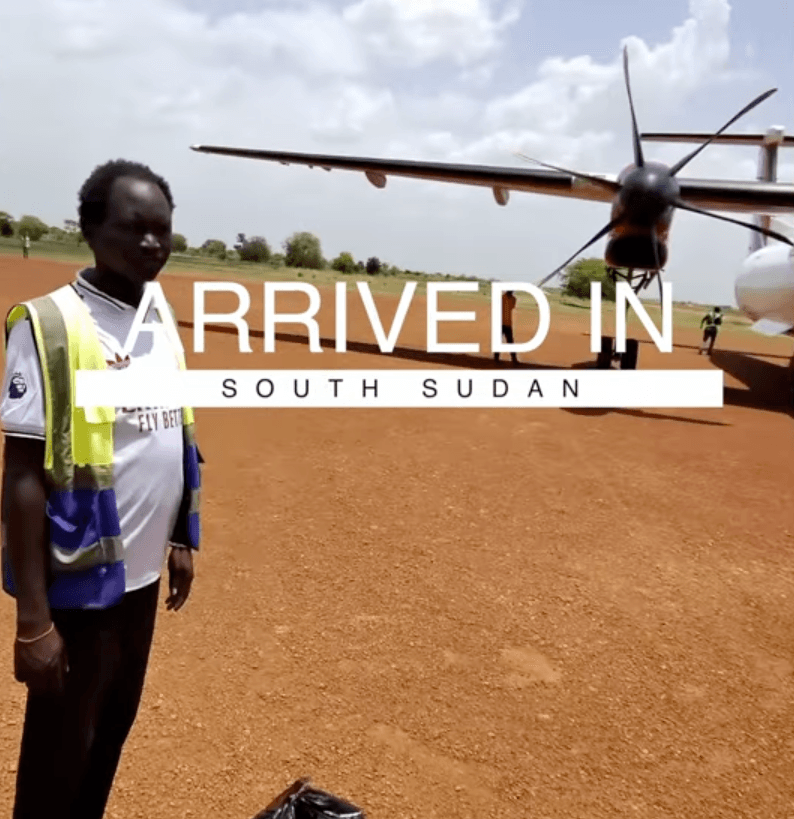
During his recent visit, ANIDA’s Executive Director arrived to inspect and formally hand over life-saving medical equipment to a local hospital. The purpose was to ensure the equipment was in place, to witness its impact, and to begin building relationships that could support future work.
Yet one of the most defining moments of the trip had nothing to do with the equipment itself. Some key officials were hesitant to engage.
Meetings that should have been straightforward became difficult to secure. Conversations were cautious. In some cases, access required coordination through layers of protocol, with security personnel escorting officials as part of standard procedure.
This was not resistance for the sake of resistance. It was structure. It was protection. It was a system designed to ensure that any organization operating within the country is known, recognized, and accountable.
And at the center of it was one simple reality. ANIDA had not yet been formally registered in South Sudan.
Why Process Comes First
This experience revealed something that is often overlooked in development work. The assumption is that once a need is identified, the next step is action. But in many contexts, especially in countries that have experienced instability, the order is different.
First comes presence. Then comes permission. Only then can meaningful work begin.
Without formal registration, engagement remains limited. Relationships take longer to build. Trust, even when there is goodwill, cannot fully take root.
Systems that protect communities and institutions require organizations to first establish themselves properly before expanding their work. This is not a barrier to impact. It is a safeguard.
It protects communities from unverified actors. It ensures that partnerships are built on accountability. And it creates the structure within which long-term, sustainable work can take place.
That is why entering a new country requires more than experience. It requires alignment with local systems, respect for national processes, and the deliberate building of trust from the ground up.
Building the Right Foundation
At this early stage, we are especially grateful for the seed funders who have stepped forward. Their support is playing a key role in helping ANIDA establish a formal presence in South Sudan and move through the necessary steps to begin the work well.
Because before programs can expand, before partnerships can deepen, and before impact can grow at scale, there is a stage that must be completed. Registration, local engagement, coordination, and presence on the ground all require investment. Not visible at first, but essential.
In many ways, this is where the real journey begins. Because before communities can be fully reached, before programs can expand, and before impact can multiply, there must first be a place to stand. And in South Sudan, that place is now being built.
About the Author:
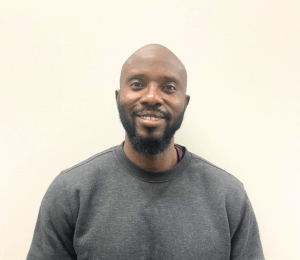
Benedict Mensah is the Fundraising Manager at ANIDA, where he helps connect supporters with programs that expand opportunities for children and strengthen communities. His journey in international development began through community engagement work in Accra, Ghana, and today he focuses on building meaningful partnerships with donors who share ANIDA’s commitment to sustainable change.