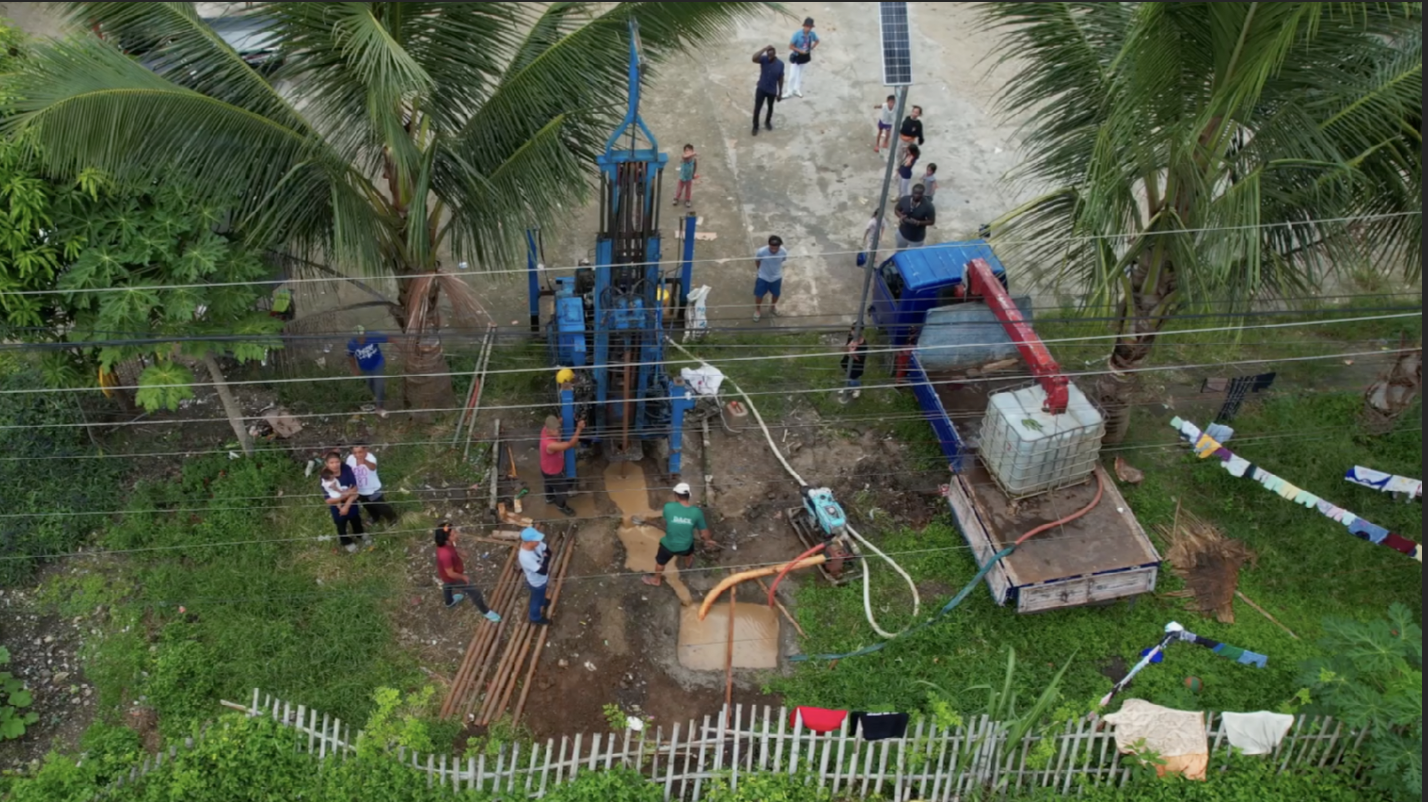
We celebrated World Humanitarian Day on August 19, taking a moment to acknowledge the work of all humanitarian workers around the globe, who make a difference, dedicating themselves to poverty alleviation. We especially acknowledge those who risk their lives to bring hope to communities in emergencies and crises.
The Complexities Of International Development
At ANIDA, we often share updates and stories on the progress of our projects from the cassava farm in Liberia, clean water in the Philippines, or women graduating in the women’s development centre in Ghana; yet the work behind the scenes to get there is just as essential.
As Tadić (2025) emphasizes, “humanitarian logistics involves a complex set of interconnected participants, processes, and flows, requiring structured coordination to deliver aid effectively”.
In practice, this means months, even years of time, preparation, collaboration and commitment— listening, aligning and getting an invitation with the local authorities, consulting with community leaders, and developing systems in place to make a project not only come to life, but last for generations and makes a difference in the homes of the communities. This is not a straight path. Think of it like building a house, that without careful planning and a strong foundation, the home will simply not stand.
International development requires that same orchestrated work of careful planning, logistics, coordination with numerous beneficiaries, and ongoing monitoring to ensure programs operate effectively and sustainably.
Lessons From the Field
My journey into development work began at 17 as a student volunteer, and continued in my early 20’s. I remember long days of travel, adjusting to jet lag, challenges of communicating across cultures, late night and early morning community meetings, gathering data and navigating on-the-go, complex realities of implementing a new program. I remember feeling tired, putting in a lot of hard work but also eager to learn more from this perspective.
I came to the realization that there was so much unseen labor involved in ensuring projects truly meet local needs—something that was eye-opening at the time, having only studied international development in theory.
You can study international development for years, but nothing prepares you for the reality of implementing it on the grounds.
The public often only sees the visible outcomes, while hundreds of conversations, planning sessions, and logistical hurdles happen behind the scenes.
This perspective of the complexities of international development only few people see—but it is essential to understanding the time, care, and dedication required to make a lasting difference.
Sustaining Change Through Care and Collaboration
The lessons from the field are clear: meaningful development work requires time, patience, collaboration, and commitment.
At ANIDA, we operate our programs by listening, co-designing, and implementing planning in partnership with communities to ensure that every initiative is sustainable, and communities are empowered.
As we continue to grow and expand our programs, we remain guided by the principle that lasting impact is built not only on what is delivered, but on how it is delivered—with care, respect, and deep understanding of the people we serve.