
A Shared Space Of Many Cultures In The Philippines
By: Jan Charisse Belandres
All Nations International Development Agency
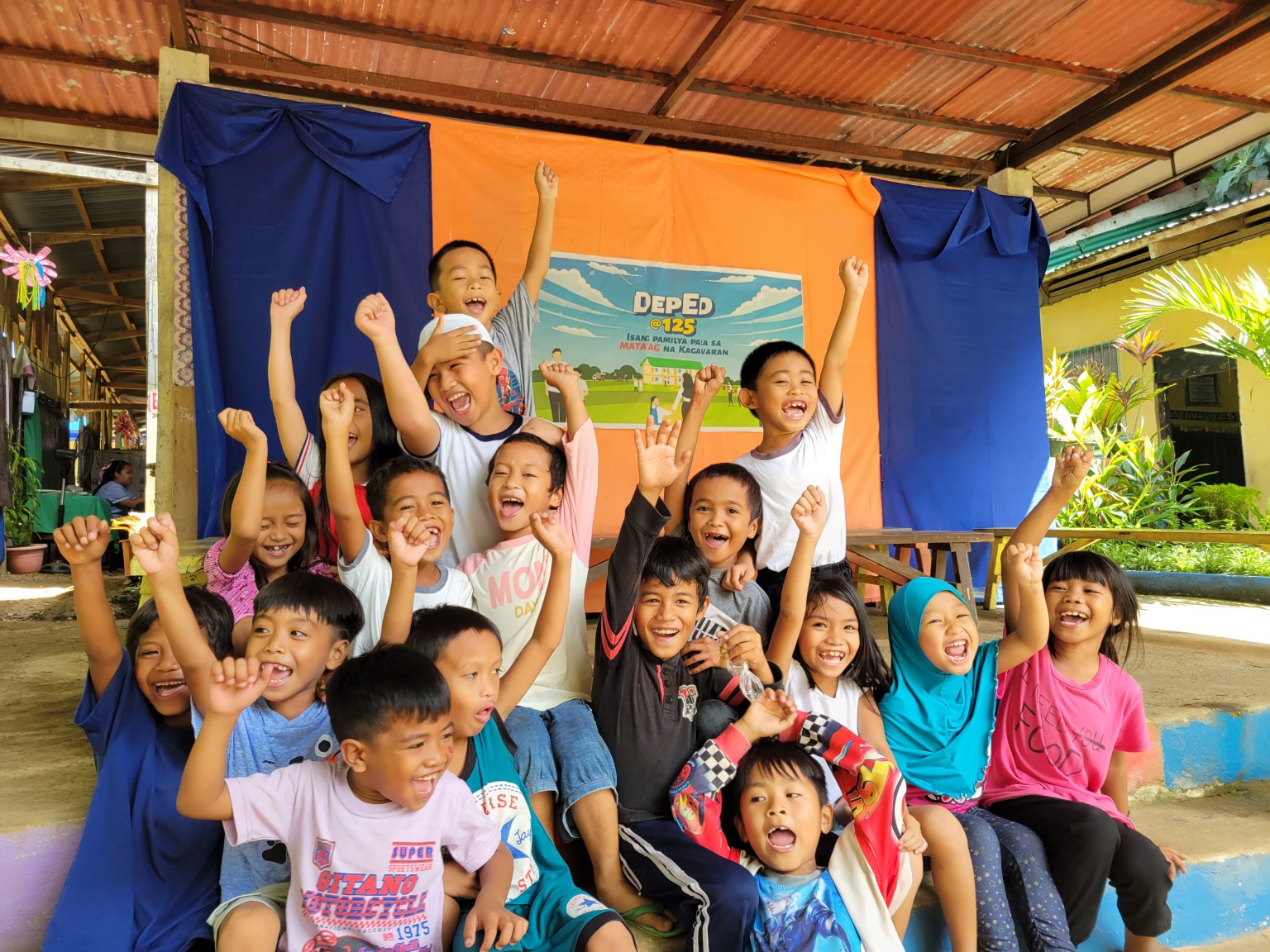
I live and work in Kidapawan City, the capital of Cotabato province in the Philippines, where ANIDA serves four communities. Here, people belong to what we call the tri-people—Muslims, Christians, and Lumad (Indigenous Peoples). Each group has its own language, beliefs, and traditions, yet we share the same spaces and daily life. Despite differences, respect and understanding help us coexist.
Every August, our province comes alive for the Kalivungan Festival—a week-long celebration where schools, organizations, and communities gather to share music, dances, and cultural performances. For me, the festival has always been more than just an event. It is a moment when our differences come together in celebration, and everyone—from the children to the elders—takes part in honoring our shared community life.
Access to Education Shapes Belonging
Growing up, I eagerly awaited the festival every year because I was part of our school’s marching band. I remember practicing, preparing, and feeling included. That experience was possible because I had access to education and support in school, which allowed me to join activities outside the classroom. Through school, I not only learned lessons but also learned about the traditions, cultures, and values of people around me.
I now realize that not all children in most communities have the same opportunities. Participation often depends on access—whether to schools, resources, or encouragement. Some children attend school but cannot join extracurricular activities, while others are left out entirely. Without access to education, children miss more than academic knowledge—they miss experiences that help them understand other cultures, respect differences, and feel part of their community.
Education Builds Belonging, Not Just Learning
From my experience and work, I know that education is a key pathway for children to connect with their community. It creates opportunities for children to take part in experiences that build confidence, relationships, and a sense of belonging. When children are included in school activities, they are more likely to stay engaged and see value in their education.
In a diverse place like Kidapawan, these experiences also influence how children understand others. Being part of shared activities, like the Kalivungan Festival, allows children to appreciate cultural differences in a personal and meaningful way. Without access to education and supportive school programs, children can remain on the sidelines—present, but not fully included in the life of their community.
Make Participation Possible, Even in Small Ways
In the work I do with ANIDA, I hope children can have the same experience I had growing up. This means supporting participation in school programs, encouraging involvement in cultural and group activities, and creating spaces where children feel welcome and included. This can include supporting their involvement in school programs, encouraging engagement in group activities, and creating spaces where they feel welcome to join.
These steps may seem small, but they matter. When a child is given the chance to participate, even in a simple way, it can shift how they see themselves and their place in the community. Over time, these moments help children stay connected—to education, to culture, and to one another.
About the Author:
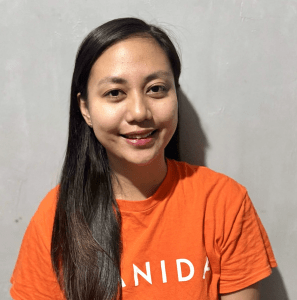
Jan Charisse Belandres is a Programs Administrative Assistant at ANIDA, where she plays a key role in coordinating meetings within the programs department across countries and ensuring they align with the agency’s mission. She also works on the ground, visiting communities in the Philippines to support program initiatives. With experience in both the government and private sectors, Jan brings a strong skill set and commitment to her work. Although she has been with ANIDA for less than a year, she is deeply motivated by the opportunity to contribute to an organization that makes a meaningful impact on the lives of people in underserved communities.