
What Does It Really Take To Build Stability?
By: Faith Torres
All Nations International Development Agency
I’ve been the Fundraising Coordinator at ANIDA for a few years now. In my experience working alongside communities facing ongoing need, I’ve seen firsthand how one-time gifts play an essential role in responding to urgent situations locally and internationally. They allow us to act quickly when unexpected challenges arise and ensure immediate needs are met without delay. They provide immediate response when families are facing crisis and ensure that support arrives at the moment it is needed most.
In those moments, a single gift can make a real and tangible difference helping a family get through a natural disaster to even a difficult week, access basic essentials, or regain a sense of stability when everything feels uncertain.
These moments of support matter deeply. They are often where relief begins. But what becomes equally clear over time is that the conditions that create need are rarely isolated or temporary. They do not exist in single moments. Instead, they are ongoing and interconnected shaped by rising living costs, unstable income, lack of education, limited access to resources, and broader economic pressures or governmental reign that affect families day after day.
Need is not usually experienced as a single event, but as something that repeats and evolves over time. From this perspective, it becomes clear that responding to need requires more than isolated moments of support. It requires something that can remain present beyond urgency.
This is where consistent support, long-term programs becomes so important. Consistent support allows organizations, like us, to move from reacting to planning, and from short-term relief to long-term stability. Rather than starting from zero each time a challenge arises, there is the ability to strengthen systems, improve coordination, and invest in solutions that build over time.
It creates the space to not only respond to crisis, but to better understand and reduce the conditions that lead to it. Consistent support helps us begin by listening. We work alongside communities to understand priorities before solutions are built, then we are able to strengthen local leadership through programs so communities can shape their own future. In this way, we build for lasting impact, strengthening school systems, income systems so communities remain resilient long after.
Over time, this shifts what impact looks like. Support becomes less about isolated interventions and more about continuity where programs can grow stronger, communities can build resilience, and progress is not interrupted every time a new challenge appears. In areas like food security, this difference is especially visible.
While need is often experienced in the immediate sense whether there is enough food for today the reality beneath it is more complex. Food insecurity is closely tied to income stability, housing conditions, and broader economic pressures. Because of this, a single response, while important, is often only part of what is needed. Without continuity, the same pressures tend to reappear.
From my experience, consistent support is what allows organizations to stay engaged with that deeper reality. It creates the ability to respond not only when need is visible, but to remain present as those underlying conditions shift and evolve. It is this continuity that allows for stronger, more sustainable responses over time. This is where transformation begins to take shape not only in what is addressed in a given moment, but in what becomes possible when support is steady enough to continue building.
One-time giving changes a moment. Consistent support changes what is possible. Over time, it is that consistency that allows stability to grow. When support is sustained, it creates something far greater than immediate response. It allows organizations to move from reacting to planning, from short-term solutions to long-term pathways, and from meeting urgent needs to addressing the deeper conditions that keep those needs in place.
With consistent support through Hope Builders, families are not only met in moments of crisis, but accompanied over time as they move toward lasting stability. Programs remain steady, relationships are built on trust, and progress is sustained beyond immediate need. Over time, stability has space to take root and grow.
Hope Builders isn’t just about giving, it’s about building something real. Something that grows stronger every month. Something that builds hope.
At ANIDA, monthly giving is clear and outcome-driven. Each tier supports real change from school supplies for children, to food support for families, to training for women, and access to clean water systems.
Become a Hope Builder today. Choose a monthly tier that fits your capacity, and receive updates from the communities you’re helping so you can see the difference your ongoing support is making.
Let’s build hope that lasts.
Learn More https://anida.org/hope-builders/
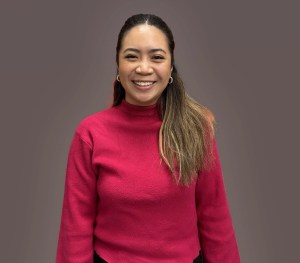
About the Author:
Faith Torres is the Fundraising Coordinator at All Nations International Development Agency (ANIDA). She brings a wealth of experience from her education and background working in non-profit. She holds a Bachelor’s Degree in Business Administration: International Development, as well as a Master’s Degree in Development Studies. She is eager to contribute her experience and dedication to initiatives that empower communities and drive meaningful change.