What Jamaica Doesn’t Tell You About Poverty

Samuel J. Donkor, engaging with the Barangay Chairman in Kidapawan to center local voices in development.

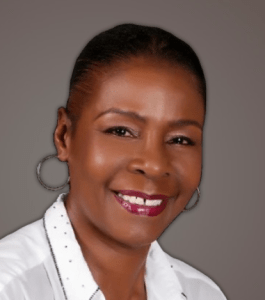
By Susan Ewerse

As a Jamaican and ANIDA’s Jamaica Coordinator for nearly a decade, I still find it difficult to tell which children or families are fighting to make ends meet.

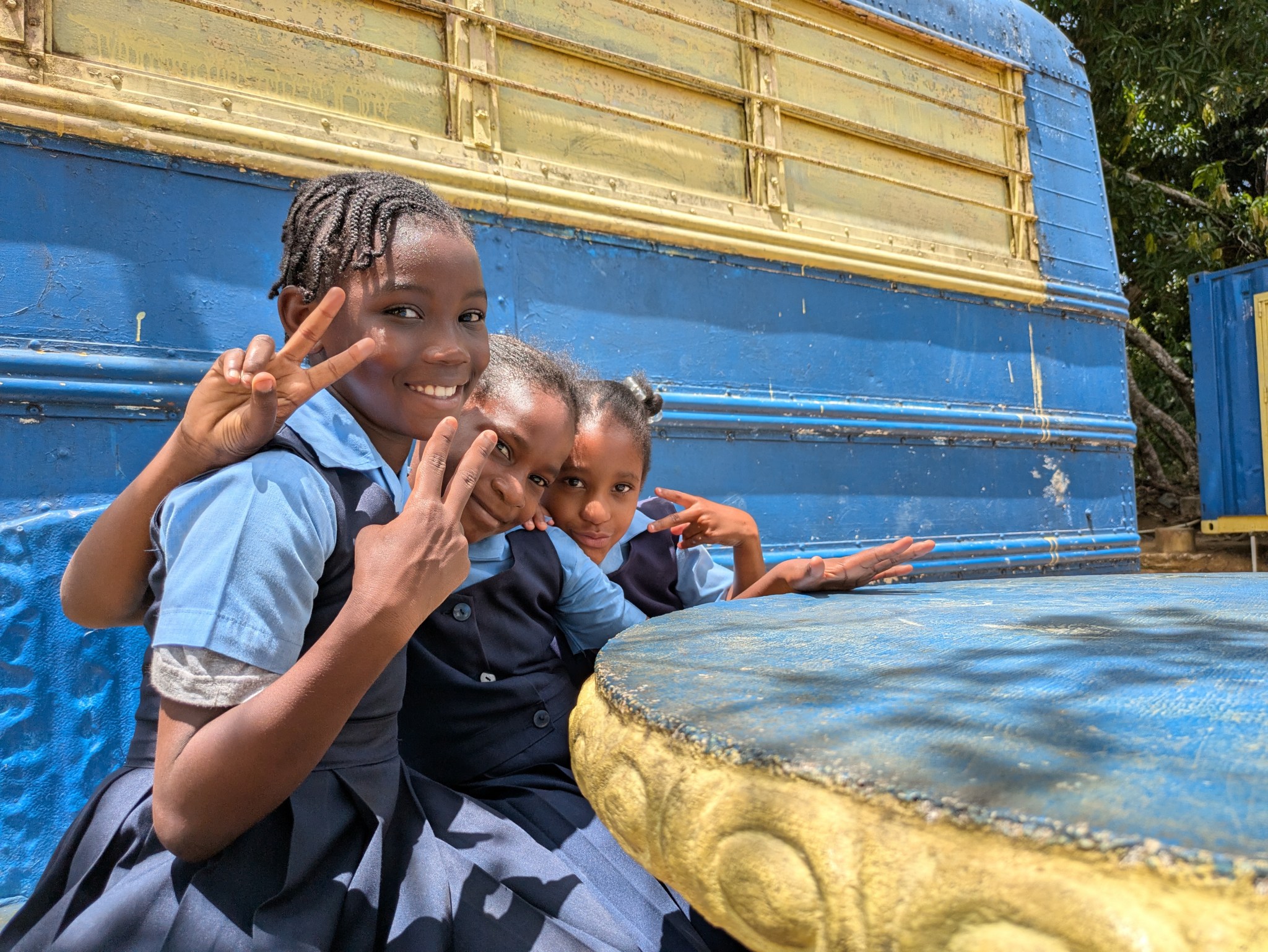
In the communities we serve, children live under the same roof and attend the same school—yet some quietly endure poverty.

How do you tell which families are financially stable and which ones urgently need support?

In many areas of Jamaica, well-to-do families often rent a room in their modern homes to poorer families.

In some neighbourhoods, you might see a small zinc house standing between concrete ones and assume everyone is thriving.

Because we want to make the most of our limited resources, careful targeting is key to our work.

We work hand in hand with community leaders and partner with schools to reach the children most in need.

That’s why partnership and community consultation are central to our process—we want to make sure our help truly reaches those who need it most.

About the Author

I have worked within the voluntary and statutory sector for over 40 years gaining a wealth of knowledge and expertise in managing, training and delivering programmes around mental health, offender management, extended schools, behaviour change, sexual exploitation and trafficking.

My educational background includes:

  • Certification in Project Management
  • BSc in Criminology
  • MA in Education and Leadership
Facebook
Twitter
LinkedIn
WhatsApp

Leave a Comment

Your email address will not be published. Required fields are marked *