

Children stay in school
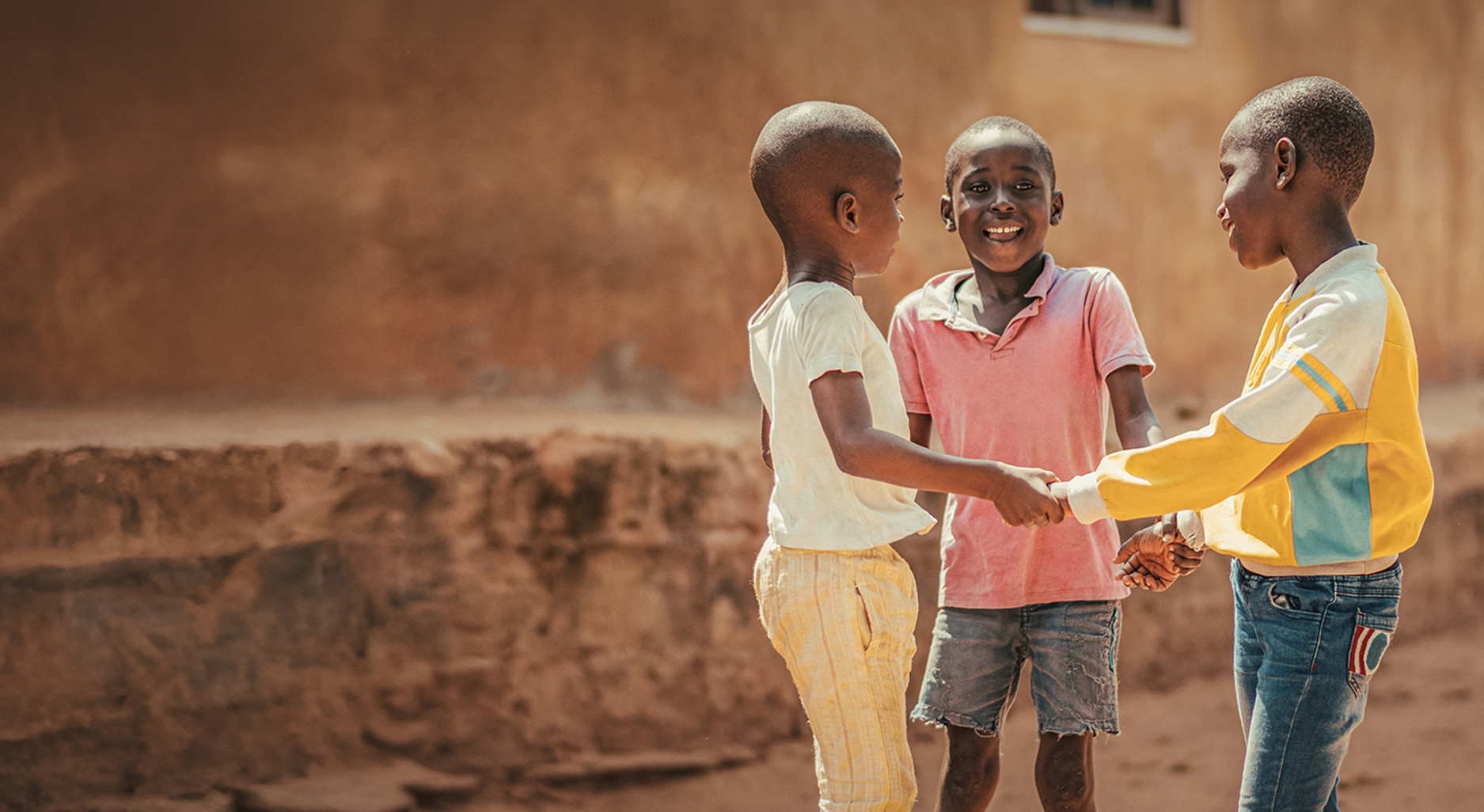
Fewer children leave school because of fees, hunger or illness, and more go on to secondary school and beyond.
OUR THEORY OF CHANGE
Six phases, each one built on the last. Follow one neighbourhood in Kidapawan City from the day its leaders invited us to the day they took ownership of their own well.
HOW WE WORK
Different communities face different barriers. We listen first, then invest where change can last.
Follow the process through one real example: the Wells of Hope water project in Purok Ponkan, Kidapawan City.
Watch the Wells of Hope video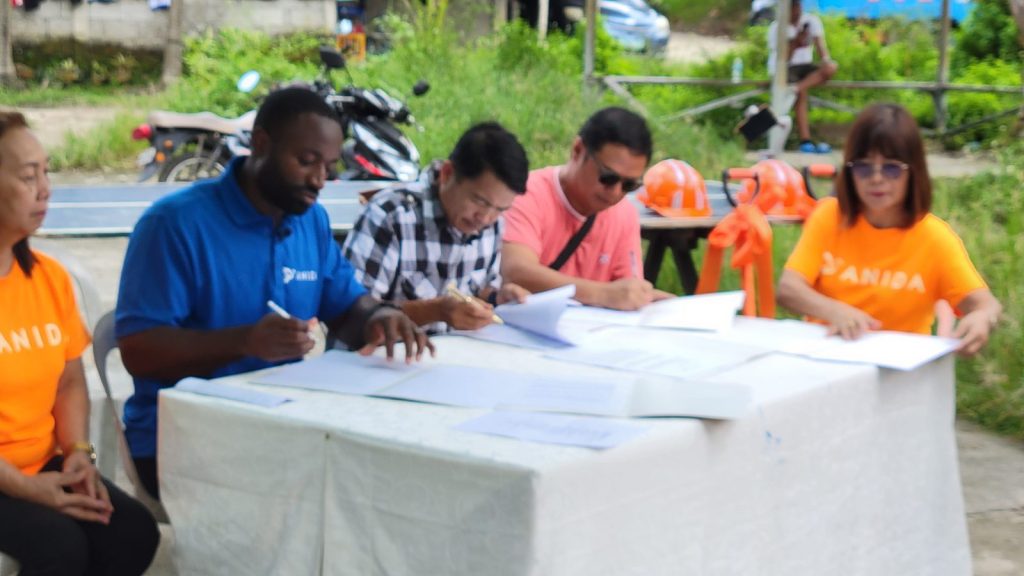
We only enter where we are invited, so that the work starts with consent and local backing.
ANIDA began working in Kidapawan City in 2022. Wells of Hope started formally with a Memorandum of Agreement between ANIDA and the leaders of Purok Ponkan, witnessed by a barangay councilor.
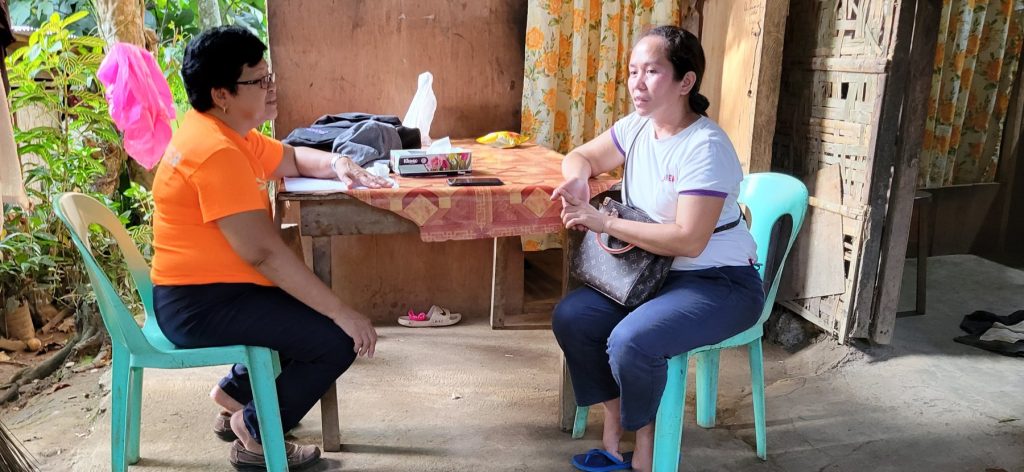
We take time to understand local realities, so that we act on the barrier people actually face, not the one we assumed.
During home visits for child sponsorship, families explained that many had been cut off from the water utility and were using the Nuangan River for bathing, washing and cleaning.
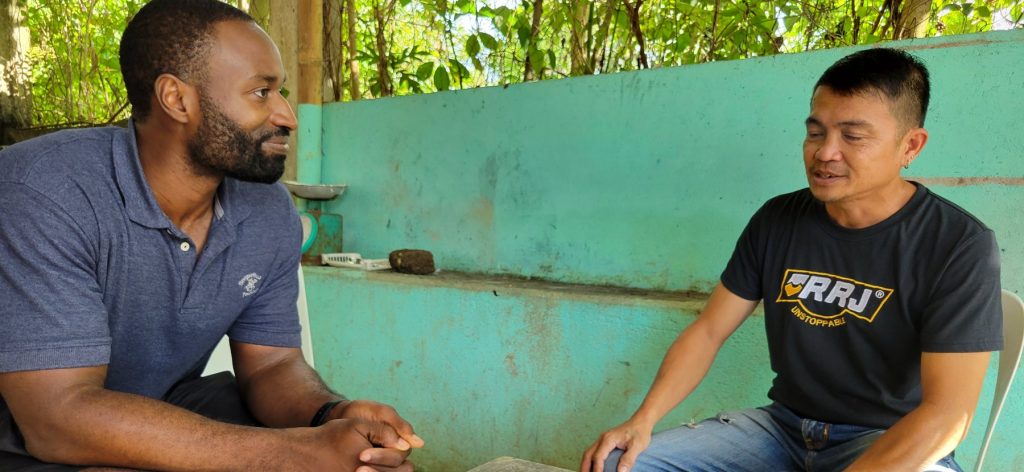
We design with communities, not for them, so that the solution fits and the community owns part of it from day one.
We came to Kidapawan for child sponsorship. Families told us the bigger barrier was water. Together, residents and leaders chose one shared public water point over individual connections, because every family could afford it.

We invest in local leaders, so that people can run the work without us.
A local chaplain, the Purok President and a community leader formed a group that helps govern the well. Leaders were trained to operate and maintain the system.
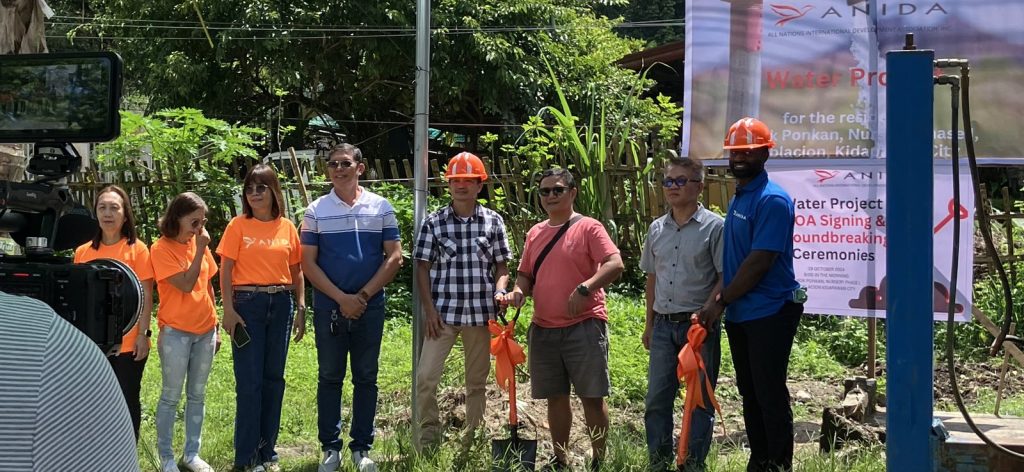
We deliver what the community planned, so that families benefit now and we learn what to adjust.
After a community groundbreaking, ANIDA built a mechanized pump with an elevated tank and a public water point, open daily for more than 250 residents. The City of Kidapawan worked with the program to support families.

The goal is for communities to lead on their own. We step back to advise, so that the change outlasts our involvement.
At a turnover ceremony, ANIDA handed the well to the community. The governing group has covered the pump’s electricity through contributions and now decides what comes next: solar power, or restart collections.
The same pattern is under way in Ghana. In Asuoyaa, leaders, women, men and youth ranked safe water as their top priority, and a borehole for about 50 families is now in Phase 5.
Our vision: a community empowered to bring transformation to the nations.
THE RIPPLE WE WORK TOWARD
Across education, health and well-being, and sustainable income, the six phases aim at three long-term outcomes.
Fewer children leave school because of fees, hunger or illness, and more go on to secondary school and beyond.
Steadier income, safer water and better health, so one setback does not undo a child’s future.
Local champions carry the work forward and equip the next generation to lead it.
Sponsor a child for $35 a month, or join Hope Builders with a monthly gift that fits your life.