
Why WDC Classes Were Half Empty: What We Learned About Barriers, Planning, and Women's Persistence
By: Mavis Opokua Nshira
All Nations International Development Agency
When Preparation Met Empty Chairs
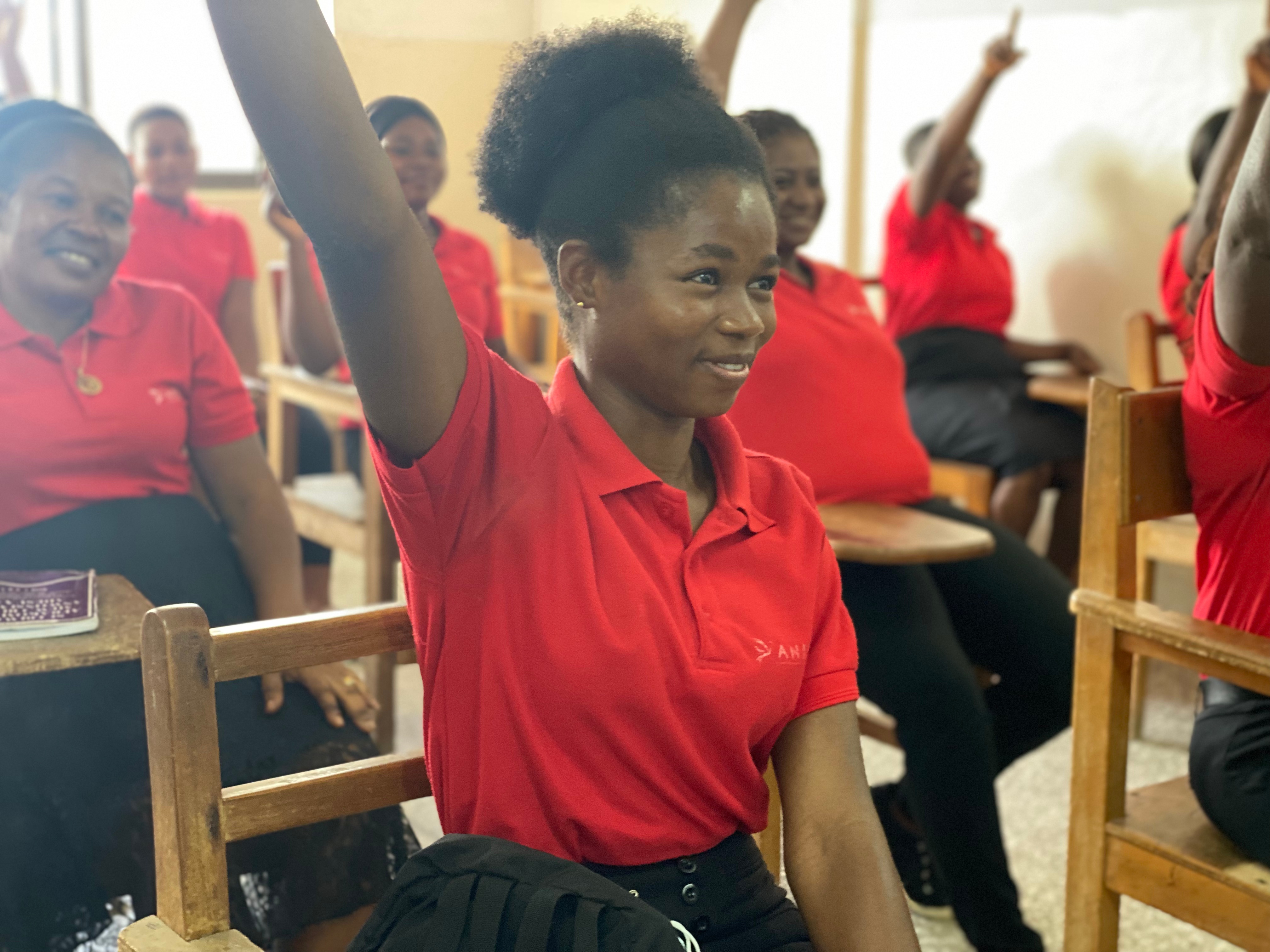
At ANIDA’s Women Development Center (WDC), facilitators arrive ready to teach.
Lesson plans are prepared in advance. Training schedules are carefully set. Materials are arranged, and classrooms are opened on time. Each session begins with intention and expectation. The goal is always the same: to create a consistent learning environment where women can build skills that support long-term stability for themselves and their families.
Yet, despite this preparation, a recurring pattern began to emerge.
Too often, sessions started with half-empty classrooms.
Chairs sat unused. The energy in the room dropped. Facilitators adjusted their pacing. Learners who did attend felt the disruption. Momentum was difficult to sustain when attendance fluctuated from week to week. What should have been a collective learning experience sometimes felt fragmented.
At first glance, the explanation seemed familiar.
Perhaps learners had lost interest.
Perhaps emergencies had come up.
Perhaps the program schedule was too demanding.
These are common assumptions in adult education and skills training, especially when working with women managing multiple responsibilities. But assumptions alone were not enough. The pattern was too consistent, too predictable, and too widespread to ignore.
So facilitators and program staff began to look more closely.
Instead of asking, “Why aren’t women coming?”
They asked, “What is pulling them away?”
What they discovered reshaped how the program understood attendance, commitment, and barriers to learning.
Understanding the Reality of WDC Learners
Most WDC learners are single mothers. Many are primary caregivers, responsible not only for their own survival but also for their children’s education, health, and daily needs. Enrolling in skills training is already a significant decision, requiring time, effort, and sacrifice.
As facilitators paid closer attention, they noticed that absences followed a pattern. Attendance declined sharply during certain periods of the year, particularly when children were transitioning into senior high school.
These transitions were not unexpected. School calendars were known. Enrollment timelines were predictable. Yet for many families, these periods became overwhelming.
Without advance planning or savings, school fees, uniforms, supplies, and administrative costs had to be met immediately. When deadlines approached, mothers responded the only way they could.
Some returned to the market to earn money quickly. Others spent long days at schools navigating enrollment processes. During these periods, skills training was paused, not because learners had lost interest, but because immediate family responsibilities took priority.
The choice was never between training and leisure. It was between training and a child’s education.
Understanding the Real Barrier
Instead of responding with stricter attendance rules or additional pressure, ANIDA took a step back.
The program recognized that the barrier was not motivation or discipline. It was planning.
School enrollment expenses were predictable, yet for families living with little financial margin, predictability did not mean preparedness. Without tools to plan ahead, these moments repeatedly disrupted learning.
This insight marked a turning point.
If predictable expenses were pulling women away from training, then planning for those expenses needed to be part of the solution.
Coaching for Planning and Saving
In response, ANIDA introduced coaching focused on goal setting and saving money, integrated into the WDC program.
The purpose was practical, not theoretical. Facilitators worked with learners to:
- Identify upcoming school-related costs.
- Set realistic savings goals based on their income patterns.
- Develop simple habits for setting aside money over time.
- Learn how to prioritize responsibilities without abandoning long-term goals.
This approach acknowledged the realities of the women’s lives. It did not assume excess income or ideal conditions. Instead, it focused on small, achievable steps that could reduce future pressure.
Planning was framed as a tool for protection.
By planning ahead, women could care for their children while protecting their own learning time.
Learning Balance Instead of Sacrifice
For many learners, pressure had previously led to all-or-nothing decisions. When school demands arose, everything else stopped.
The new approach emphasized balance.
Rather than viewing skills training as something that had to be sacrificed during family crises, women began to see planning as a way to prevent those crises from disrupting their progress.
School enrollment periods no longer required stepping away entirely. With even modest preparation, learners were better able to remain engaged in training while supporting their children.
This shift, though subtle, was significant. It reframed learning as something worth protecting, not postponing.
What Changed
As planning and saving habits improved, facilitators observed steady changes.
Attendance became more consistent, even during periods that had previously caused major disruptions. Learners were better able to remain engaged throughout the training cycle.
Engagement improved. With fewer interruptions, learners followed lessons more easily, practiced skills with confidence, and supported one another’s progress.
The results were measurable.
Over the past year, enrollment in the WDC program grew from 80 learners to 120 by year’s end. Training completion rates improved from 80 percent to 92 percent.
These outcomes reflect more than growth. They reflect persistence.
Women were staying the course.
What This Experience Taught Us
The experience at the Women Development Center reinforced an important lesson:
barriers to learning are often invisible.
They are embedded in timing, financial pressure, and competing responsibilities. When programs focus only on delivering skills, they may overlook the conditions learners need to stay engaged.
In this case, addressing planning challenges alongside skills training created space for women to succeed.
Looking Ahead
The lessons from WDC continue to shape how ANIDA approaches program design across sectors.
Skills matter. But they are most effective when paired with support that helps people navigate real-world pressures.
The empty chairs told a story.
Listening to that story made the difference.

About the Author:
Mavis Opokua Nshira is the Senior Specialist for the Women’s Development Center.
As a Senior Specialist for the Women’s Development Center, I bring a Master’s degree in Human Resource Management and over 14 years of experience working with women.
Throughout my career, I’ve witnessed countless women transform their lives — from unemployment to entrepreneurship, and from speaking little or no English to achieving intermediate proficiency.
I’m deeply passionate about introducing innovations that help women thrive, and I’m excited about the new initiatives we’re adding to our programming to empower even more women to succeed.