
What Schooling For Children Looks Like In Ghana
By: Kwame Appiah
All Nations International Development Agency
The Daily Journey to School
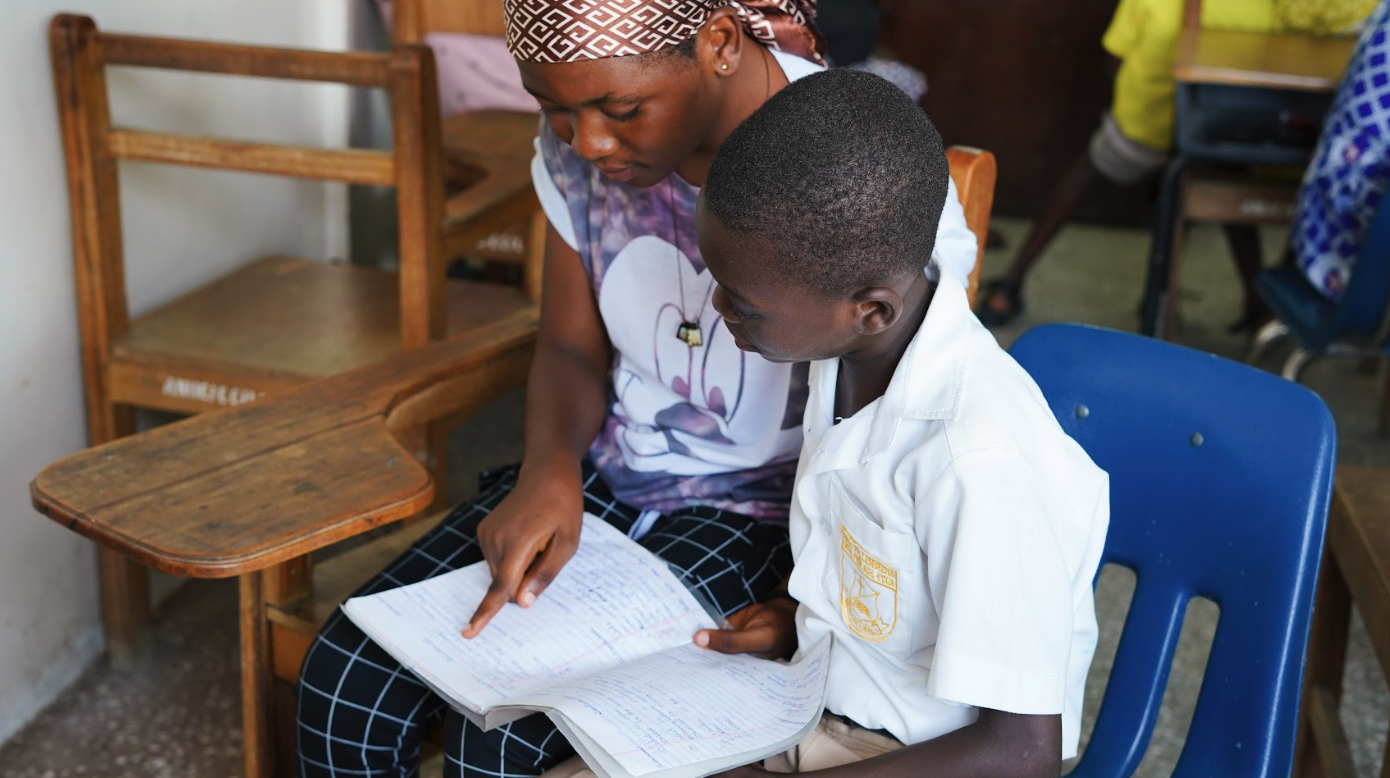
For many children across Ghana, school is a central and meaningful part of daily life. Each morning, thousands of children wake up early to prepare for the day ahead. In both urban towns and rural villages, it is common to see students dressed in their uniforms walking along dusty roads or narrow paths with books in hand. Some children live close to their schools and can arrive within minutes. Others travel much longer distances, sometimes walking several kilometers before reaching their classrooms. Despite the early mornings and long journeys, many children look forward to school because they recognize the value of education in shaping their future. In many communities, this daily routine reflects both determination and hope. For children, school represents an opportunity to learn, grow, and build a pathway toward a better life. Yet while the desire to learn is strong, not every child experiences the same ease in accessing education.
Ghana’s Commitment to Education
Education is highly valued within Ghanaian society. Parents and guardians consistently encourage their children to take their studies seriously, often reminding them that education is one of the most reliable paths toward achieving their dreams. Across the country, children commonly grow up aspiring to become doctors, teachers, engineers, lawyers, nurses, and other professionals. These dreams motivate them to attend school regularly and remain committed to their studies even when challenges arise. Over the years, Ghana has made significant progress in expanding access to education. National education initiatives have helped improve enrollment rates and create more opportunities for children to attend school. One important policy is Free Compulsory Universal Basic Education (FCUBE), which aims to ensure that every child receives basic education. Another key initiative is the Free Senior High School Policy, which has expanded access to secondary education by reducing the financial burden on families. As a result of these efforts, primary school enrollment in Ghana is estimated to be above 90 percent. This progress reflects the nation’s strong commitment to ensuring that children can learn and develop.
Challenges That Still Affect Children
Despite these advancements, schooling is not always easy for every child. Many families still face barriers that make consistent attendance difficult. In rural areas especially, children may walk three to five kilometers each day just to reach school. Long distances can lead to fatigue, late arrivals, or occasional absences. In addition, some families struggle to afford essential items such as uniforms, exercise books, stationery, and other learning materials. For children facing these challenges, the desire to learn must compete with practical limitations. Yet even in difficult circumstances, many students remain determined to continue their education.
School, for many Ghanaian children, offers more than academic learning. It is also a place where talents are discovered and confidence begins to grow. Many schools encourage extracurricular activities such as debate clubs, drama groups, sports teams, and faith-based organizations like Scripture Union. Through these activities, children develop leadership skills, teamwork, and creativity. A shy student might gain confidence through a drama performance. Another might discover strong public speaking abilities through debate competitions. Some develop athletic talents that continue to grow as they progress through school. These experiences often shape future careers and aspirations, proving that education extends far beyond the classroom.
Strengthening Opportunity Through Support
Education remains one of the most powerful tools for transforming lives in Ghana. For many families, schooling represents hope and the possibility that children will achieve opportunities beyond what previous generations experienced. Stories of individuals rising from humble beginnings to become respected professionals are common throughout the country. These stories continue to inspire younger students to work hard and remain committed to their studies. Through ANIDA’s programs, including the Hope for Tomorrow initiative, additional support helps remove barriers that prevent children from staying in school. By providing school supplies, mentorship, and community engagement, such programs strengthen the stability children need to focus on learning. Ultimately, schooling in Ghana represents more than a daily routine. It reflects resilience, determination, and the belief that education can change lives. For countless children across the country, the classroom is where dreams begin, talents are discovered, and the foundation for a brighter future is built.

About the Author:
Kwame Appiah-Kubi is a Child Sponsorship Specialist at ANIDA, with over 13 years of dedicated service within the organization. Throughout his journey at ANIDA, he has served in various roles, gaining extensive experience and a deep understanding of the Child Sponsorship program before moving into his current position.
Kwame holds a Bachelor of Business Administration (BBA) in Marketing from All Nations University, which has strengthened his expertise in donor engagement, communication, and program development.
Before joining ANIDA nearly 14 years ago, Kwame himself was an HFT-sponsored child. Having personally benefited from the program, he brings a unique perspective and heartfelt commitment to his work. His lived experience creates a special connection with every child in the program, as he understands firsthand the transformative impact of sponsorship on a child’s life.
Kwame’s passion for child development, combined with his professional expertise and personal journey, continues to strengthen ANIDA’s mission to empower children and drive lasting change.