
From Vision To Action: What It Takes To Launch A Program That Lasts

By: Cherrie Anne M. Galanto
All Nations International Development Agency
When I first stepped into my role as Program Manager at ANIDA, I thought my biggest challenge would be writing solid plans — the timelines, the budgets, the neat reports. I quickly found out that wasn’t the case. What really matters, and takes the most heart, is figuring out how to build something people believe in and want to carry forward. Programs don’t endure because of paperwork; they last because people see themselves in them.
Listening First
I’ll never forget the first project where I was truly hands-on — the water project in the Philippines. Our Country Coordinator started it, but when it came time for the groundbreaking ceremony, I had to step in more directly. She had just undergone a major surgery, so I found myself taking on responsibilities I hadn’t expected.
I remember being right there with the community, making sure everything was running smoothly. It wasn’t easy stepping into a role that wasn’t originally mine, but it gave me a deeper appreciation of what it takes to bring a program to life. Sadly, our coordinator never got to see the water project in use, despite it being completed before she passed away. For me, that project became more than just infrastructure — it was a reminder that programs are not just about plans and reports, but about people, their efforts, and their legacies.
That experience shaped the way I view sustainability. A program should be designed to outlast any one individual. The work must live on, even when we don’t.
Building Trust and Ownership
Trust doesn’t happen overnight. It’s not built by one big meeting or a flashy launch, but through small, consistent actions. Showing up when we say we will. Listening even when feedback is hard to hear. Making space for others to lead.
I saw this firsthand when our President, Samuel J. Donkor, visited. Together, we went to three schools in Mindanao, Philippines where many of our beneficiaries studied. The team was busy preparing a video presentation about ANIDA, and I was right there with them, interpreting for the community, making sure the details were in place. I was also present during the MOA signing with DepEd, the groundbreaking of the water system in Nursery Phase 1, the “Rice-to-Rise” MOA signing for Nursery Phase 2, meetings with potential partners, and even at the Christmas treat for the children.
These weren’t glamorous moments; they were hands-on, sometimes hectic, always full of energy. But they showed me what ownership looks like — not just from me or the team, but from every partner and participant who showed up and believed in what we were building.
Planning for the Long Run
It’s easy to celebrate quick wins in the first few months of a program, but the real test comes later. What happens after the excitement fades? What happens when resources are tighter or new challenges pop up?
Programs that endure are the ones designed with the long run in mind. And surprisingly, sustainability doesn’t always require big budgets. Often, it’s the small, steady practices that keep programs alive. Things like peer mentorship, resource-sharing networks, or simple systems that communities can maintain themselves.
I’ve seen these kinds of grassroots solutions make programs more resilient. When setbacks come — and they always do — programs that are deeply rooted in the community bend without breaking.
Community Involvement and Ownership
One lesson I’ve carried with me is that programs only last when communities feel they are truly theirs. At ANIDA, we use simple but intentional strategies to build that sense of ownership. We start by listening — not assuming we know the answers. We invite local leaders, parents, and teachers to be part of the design, not just the implementation. And we make sure roles are shared, so the program doesn’t depend on one person alone. This way, a project becomes a partnership, not a donation.
Measuring Long-Term Impact
But how do we know if a program is really making a difference? At ANIDA, we don’t just look at numbers or reports. We measure impact by asking: Is the community still using this program a year or two later? Has it become part of daily life? We gather stories, track participation, and look for signs that change has taken root — like students mentoring younger peers, or farmers sharing new practices with neighbors. For us, the true measure of success is when the community carries the vision forward without waiting for us.
Challenges and Sustainability
Of course, it hasn’t always been easy. Sustainability is one of our biggest challenges. Resources can be limited, and sometimes momentum fades after the first excitement. We’ve faced moments when projects risked stalling. What helped us push through was staying flexible and rooted in relationships. By keeping programs simple, community-driven, and adaptable, we’ve been able to overcome those hurdles. Challenges are inevitable, but when a program is grounded in trust and shared vision, it finds a way to endure.
The Bigger Picture
At ANIDA, we don’t measure success just by the number of programs we launch. We measure it by whether those programs are still standing, still meaningful, years later. Our mission isn’t about short-term fixes. It’s about planting seeds of change and nurturing them until they grow strong enough to thrive on their own.
That’s why we care so much about listening, building trust, and thinking long-term. Because when vision is paired with action — and when that action is guided by community voices — programs become more than projects. They become stories of transformation that communities themselves continue to write.
Closing Reflection
Every program starts with a spark of vision. But vision alone won’t keep it alive. What makes the difference is the day-to-day commitment: listening well, building trust, and laying foundations that can last.
For me, this journey is also deeply personal. In 2023, I was just a volunteer supporting ANIDA’s work. By 2024, I became part of the ANIDA family. And throughout, I’ve carried with me the legacy of my mother, our coordinator, who taught me by example what dedication looks like — even when she could no longer be present herself.
The most rewarding moment is seeing a program carry on without us — when the community takes ownership and the work continues because they believe in it. That’s when I know we’ve truly succeeded. At ANIDA, our job isn’t just to launch programs. It’s to help communities build stories of change that last.
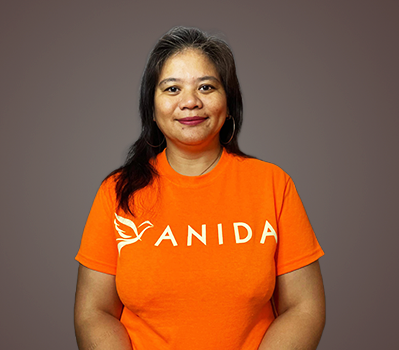
About the Author:
Cherrie Anne Galanto is the Programs Manager of All Nations International Development Agency (ANIDA). Before joining the team, she was herself an ANIDA scholar at All Nations University, Ghana, where she earned her Master of Philosophy in Business Administration, specializing in Human Resource Management, graduating in 2023.
Her journey from scholar to Programs Manager gives her a unique perspective on the life-changing impact of ANIDA’s work. She also serves as a Senior Education Program Specialist for Human Resource Development at the Department of Education in the Philippines.
Cherrie Anne brings both professional expertise and lived experience to her role, drawing on her academic training and her personal journey of growth to help design programs that are sustainable, community-driven, and transformative. Under her leadership, improved tracking and school coordination in the Philippines contributed to a 6% increase in student attendance, rising from 78% to 84% across our program countries, including Ghana, Liberia, Jamaica, and the Philippines.