
It doesn’t take many people making the small choices of helping families with their basic needs to make an outsized effect on the lives of those living with food insecurity.

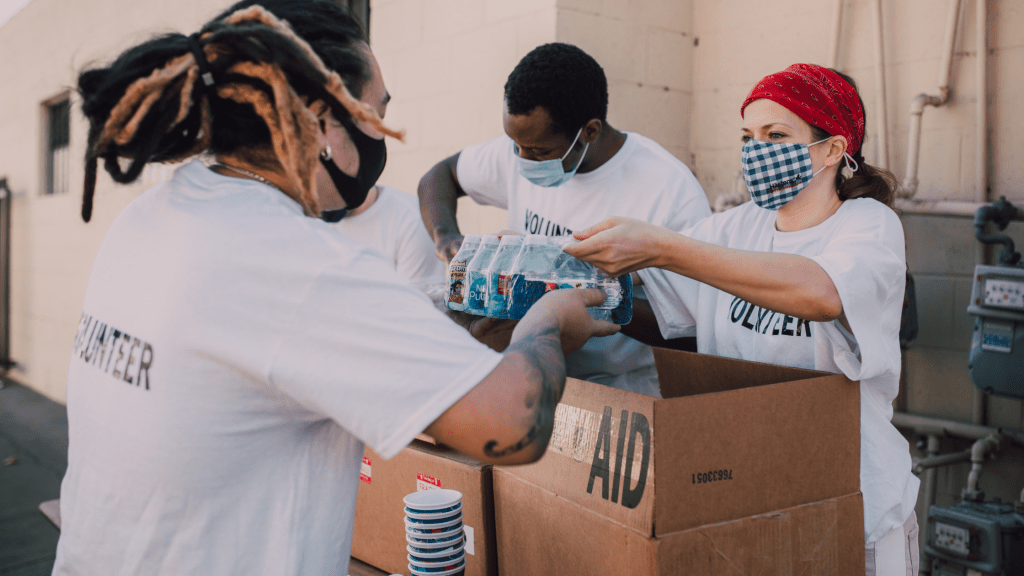
Food banks help people and families that are food insecure. In 2020 in the first two months of the pandemic, it was estimated that food insecurity grew 39%, resulting in one in seven Canadians being food insecure! As the pandemic has dragged on, the problem has gotten much worse. In Toronto alone, the count is shocking. According to city numbers, 18.7% of the population or one in five Torontonians is experiencing food insecurity! It is assumed that in our community of Black Creek, the rate of food insecurity is even higher than this. When learning about these numbers, you may feel the same way that I did when I first discovered the extent of the problem of food insecurity; overwhelmed and wondering if there is anything that we could do as individuals or as a community?
We can help by working together as a community to fill the gaps for those who are food insecure, especially families, disabled people, and the elderly. This is what we do every week at the food bank. But the reality is that our food bank’s service is the result of the individual actions that our supporters take. For example, for $33, we can supply a hamper of dry goods. This provides individuals and families with many non-perishable food items they need, such as canned goods (beans, fish/meat, soup, fruits, veggies, and sauce), grains (rice, pasta), snacks (instant meals, bars, treats), and breakfast (cereal, spreads, oatmeal, bread).
Food insecurity is a significant problem that, to solve fully, will require the government and communities to work together. But we must not underestimate the significant impact that the actions of individuals can have. These thirty-three dollars can provide a family with enough food to meet their basic needs. It doesn’t take many people making the small choice of helping others with their basic needs, to make an outsized effect on those living with food insecurity.